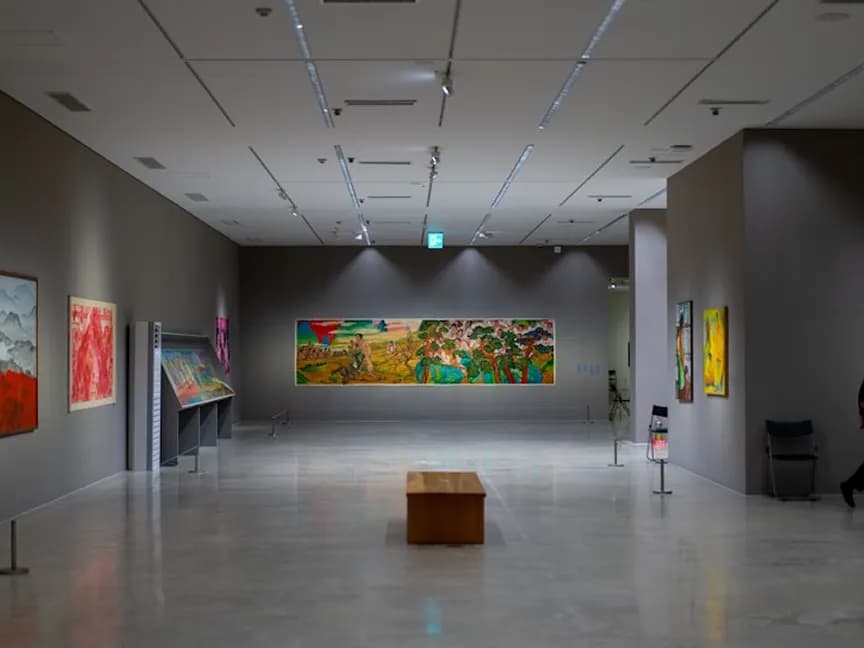
Tableau
A tableau represents a visual composition of people and objects or scenes within a frame that freezes a moment in time. During the 19th century artists expanded the use of this visual concept extensively within painting and theater disciplines. Through their use of carefully composed tableaux their works Edgar Degas and Édouard Manet conveyed narrative structures and specific emotional expressions. Through the tableau technique artists guide viewers to focus on specific points while generating depth in their compositions.
Tableaux played a crucial role in painting for the advancement of narrative storytelling alongside emotional exploration. Through the use of tableaux Diego Velázquez and Johannes Vermeer added dramatic effects and realistic elements to their paintings which allowed viewers to become absorbed in each portrayed scene. This method remains influential in today's artistic scene as photographers and filmmakers use tableaux techniques to produce engaging visual stories which stir strong audience emotions.
The tableau functions as a potent artistic instrument for generating strong visual compositions that express meaning and emotion while adding layers of narrative complexity. The deliberate placement of elements within a frame enables artists to direct audience interpretation while eliciting diverse reactions which illustrates the versatility and longevity of the tableau as an artistic method.
Other Glossary Terms