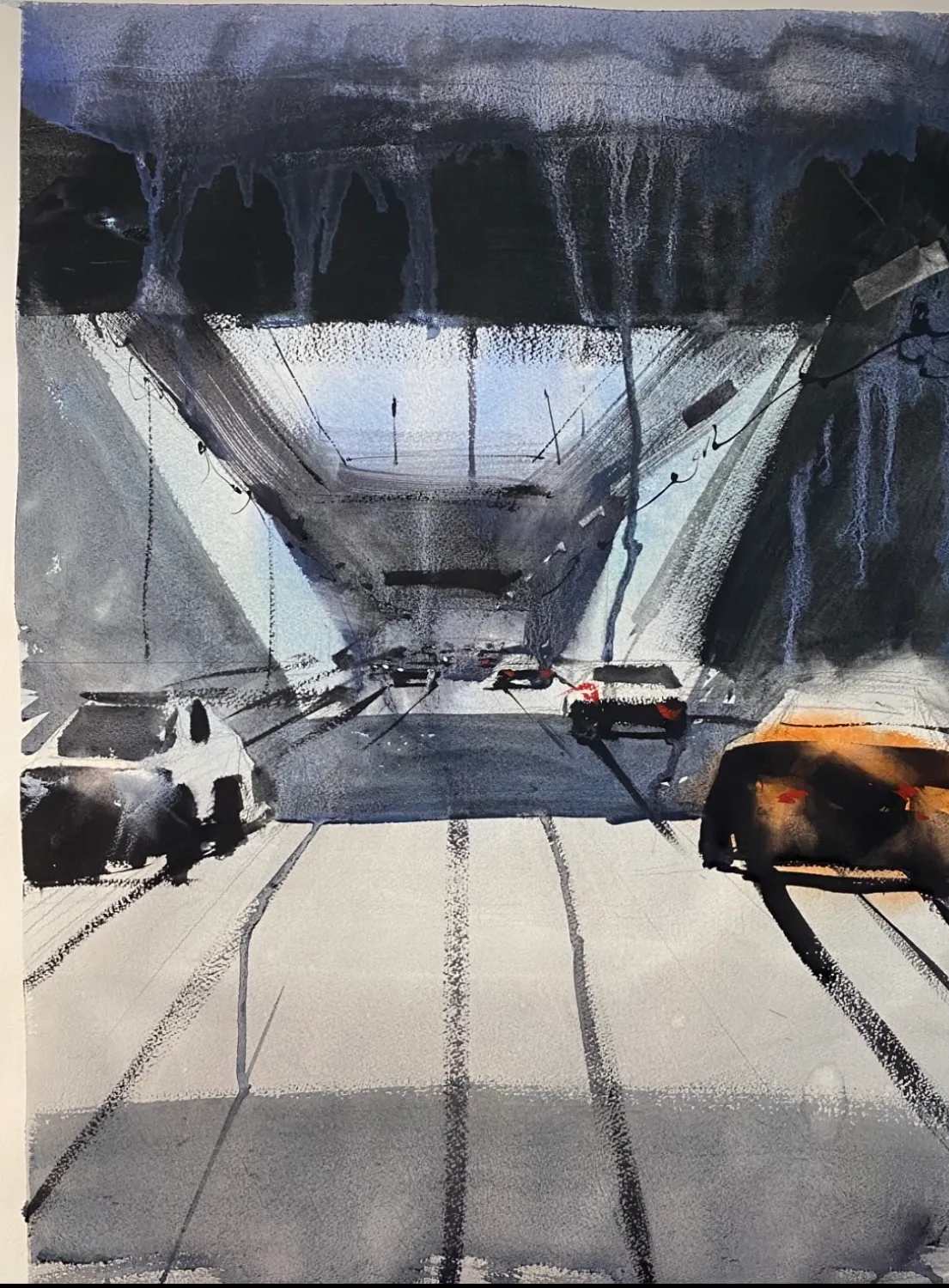
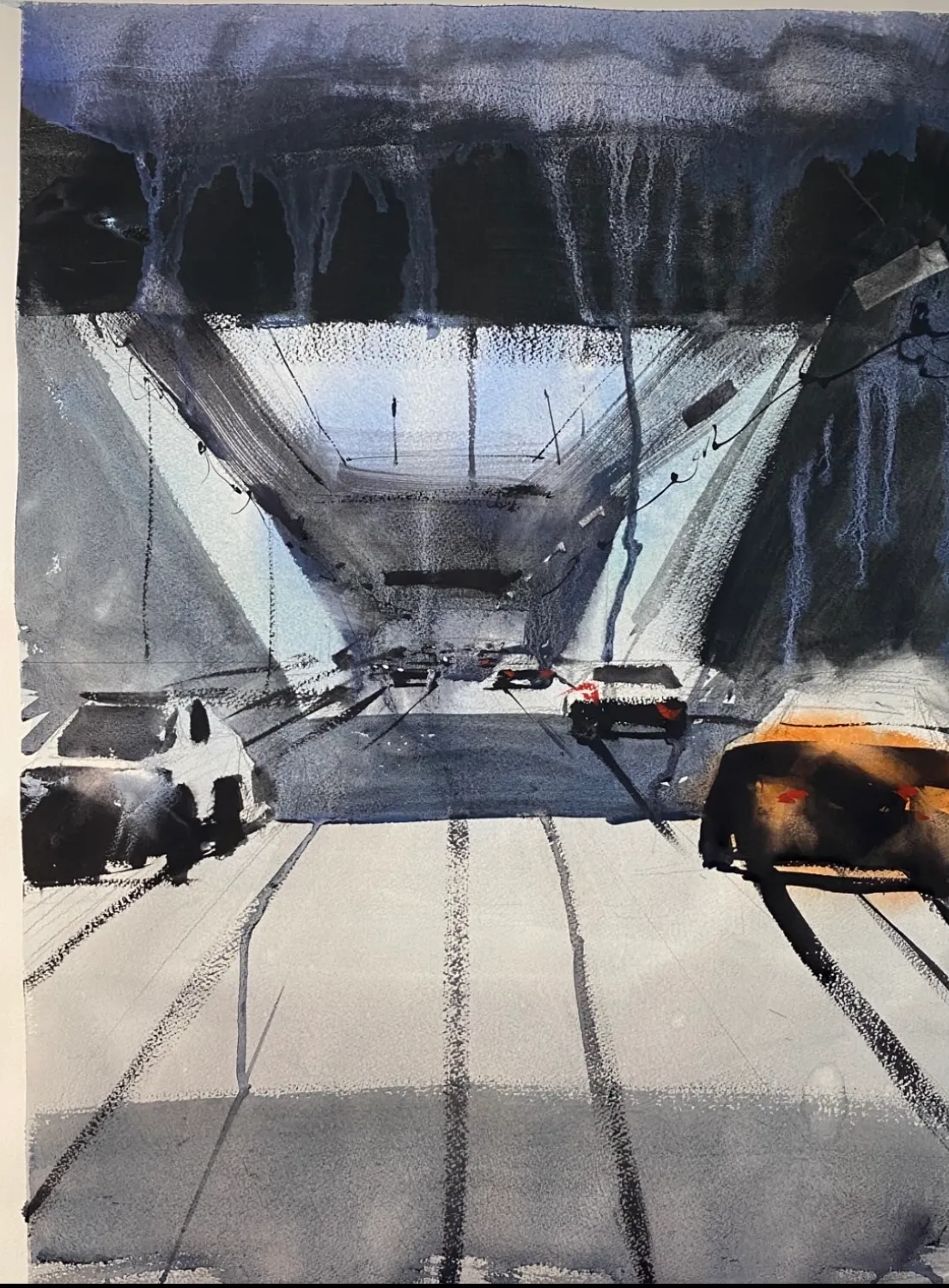
Não queria nada disto (2026) by João Vasco Casanova - subjektiv.art
1 / 4
João Vasco Casanova
Artist from Portugal
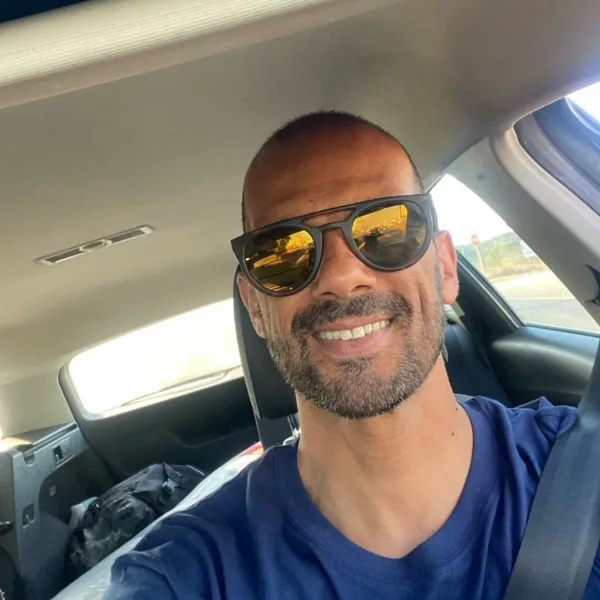
João Vasco Casanova began painting early, sustaining an intense, curious practice through his first twenty-five years. A graduate of the António Arroio School in Lisbon, he found in painting a natural language for personal expression. His early work carried a strong emotional and social charge, reflecting a young person’s anxieties before war, hunger, and injustice - until that intensity brought him to an inner saturation. He stopped painting entirely, a silence that lasted nearly twenty-five years and became essential to his artistic maturation.
He returned to painting about two years ago, bringing a new serenity and a fresh way of seeing. Today his work is guided by lightness, curiosity, and the pleasure of the moment - a celebration of everyday beauty, a quiet pause in the noise of the world.
Look for 20 seconds. What do you see?
Contribute your perspective to the community & earn rewards. Leave your reflection below.
João Vasco Casanova
Artist from Portugal
João Vasco Casanova began painting early, sustaining an intense, curious practice through his first twenty-five years. A graduate of the António Arroio School in Lisbon, he found in painting a natural language for personal expression. His early work carried a strong emotional and social charge, reflecting a young person’s anxieties before war, hunger, and injustice - until that intensity brought him to an inner saturation. He stopped painting entirely, a silence that lasted nearly twenty-five years and became essential to his artistic maturation.
He returned to painting about two years ago, bringing a new serenity and a fresh way of seeing. Today his work is guided by lightness, curiosity, and the pleasure of the moment - a celebration of everyday beauty, a quiet pause in the noise of the world.
Look for 20 seconds. What do you see?
Contribute your perspective to the community & earn rewards. Leave your reflection below.
João Vasco Casanova began painting early, sustaining an intense, curious practice through his first twenty-five years. A graduate of the António Arroio School in Lisbon, he found in painting a natural language for personal expression. His early work carried a strong emotional and social charge, reflecting a young person’s anxieties before war, hunger, and injustice - until that intensity brought him to an inner saturation. He stopped painting entirely, a silence that lasted nearly twenty-five years and became essential to his artistic maturation.
He returned to painting about two years ago, bringing a new serenity and a fresh way of seeing. Today his work is guided by lightness, curiosity, and the pleasure of the moment - a celebration of everyday beauty, a quiet pause in the noise of the world.