Three questions to Orçun Beslen

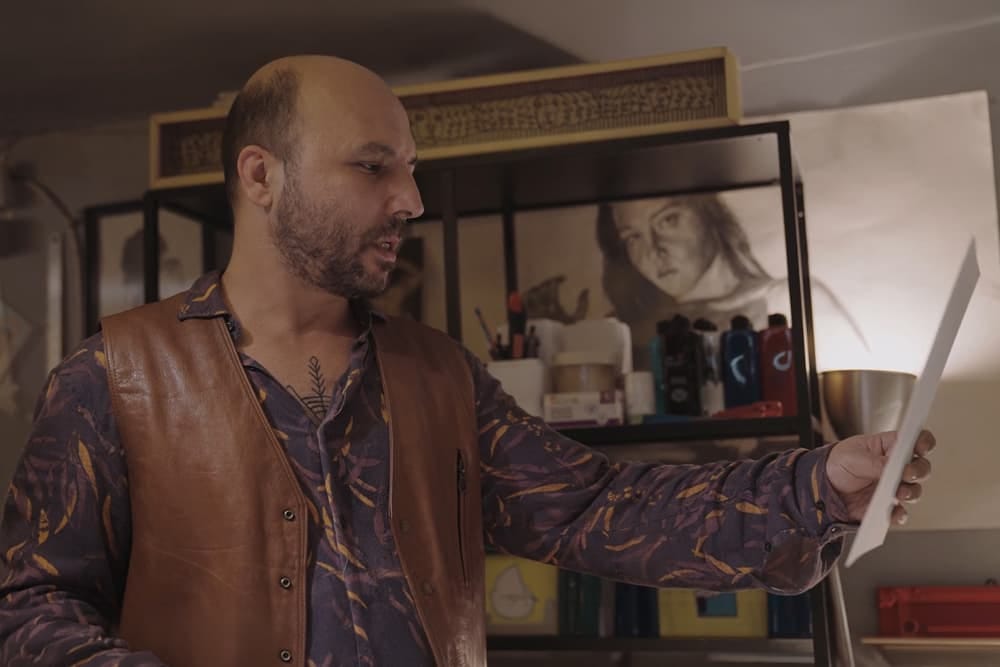
About Orçun Beslen
Orçun Beslen is an interdisciplinary artist based in Turkey. His practice focuses on site-specific installations and interventions, where process functions as a constitutive element of the work rather than a secondary phase.
He works with fragile and everyday materials such as paper, textiles, and found objects, approaching them as carriers of spatial memory rather than representational surfaces. His works explore notions of trace, visibility, and the relationship between body, space, and time.
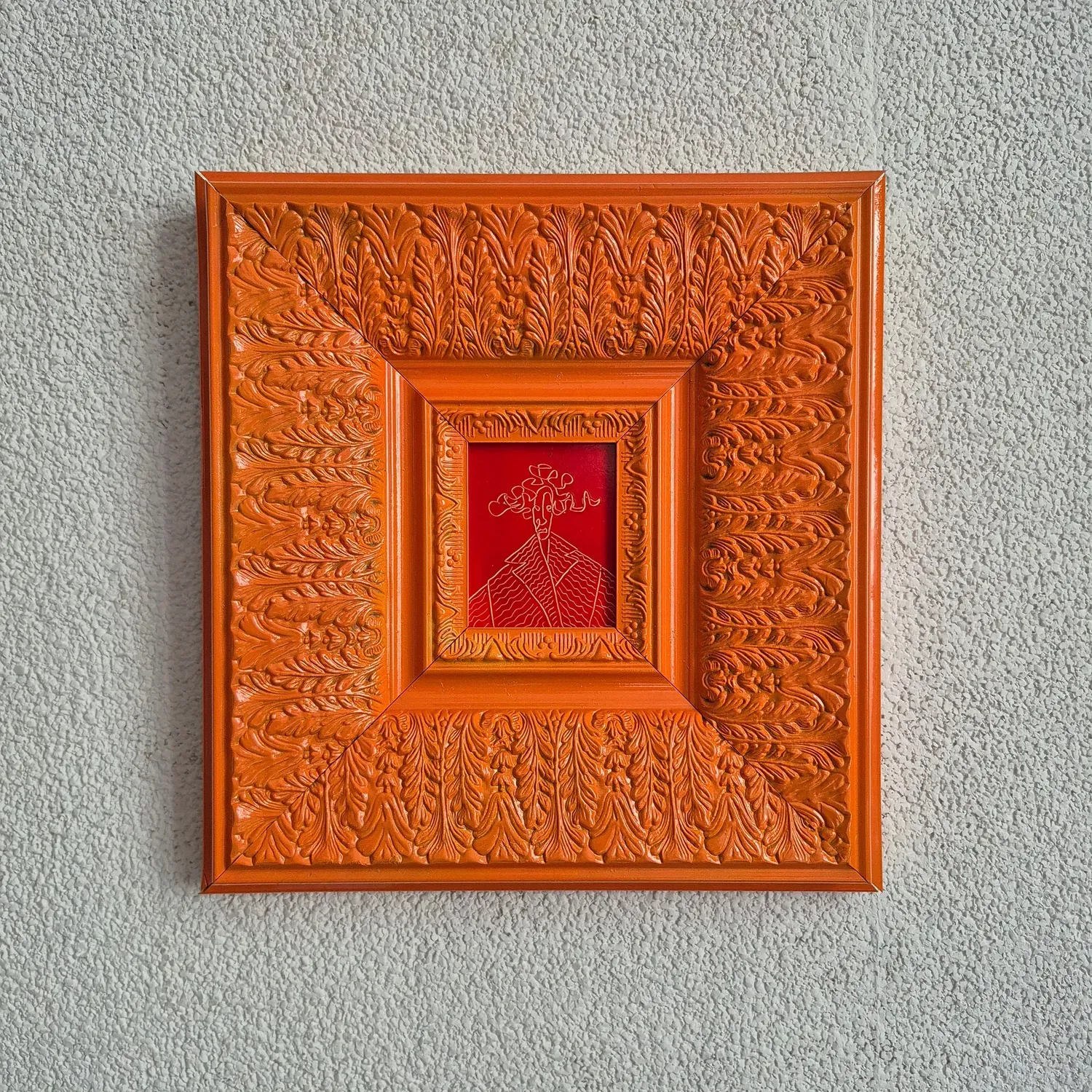
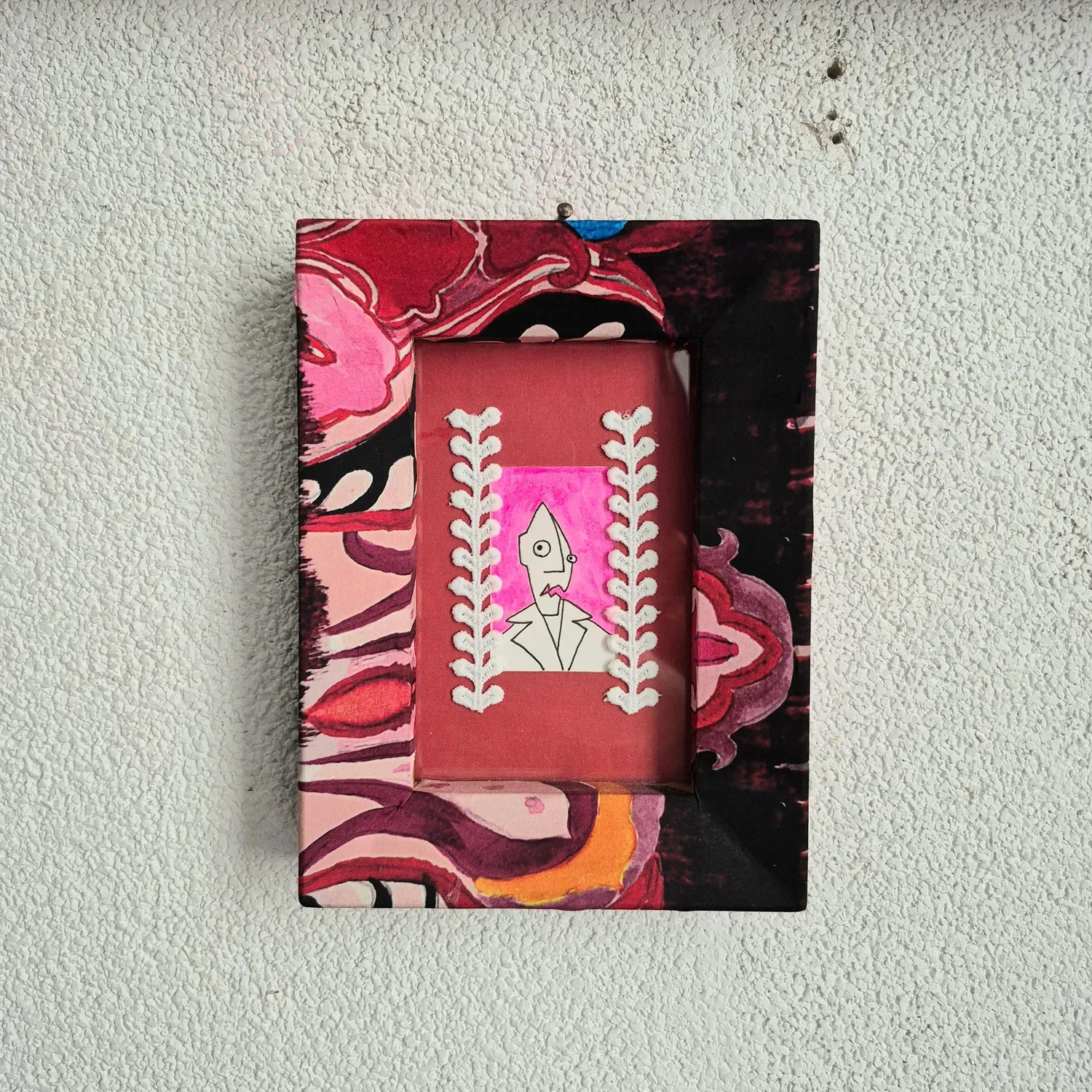
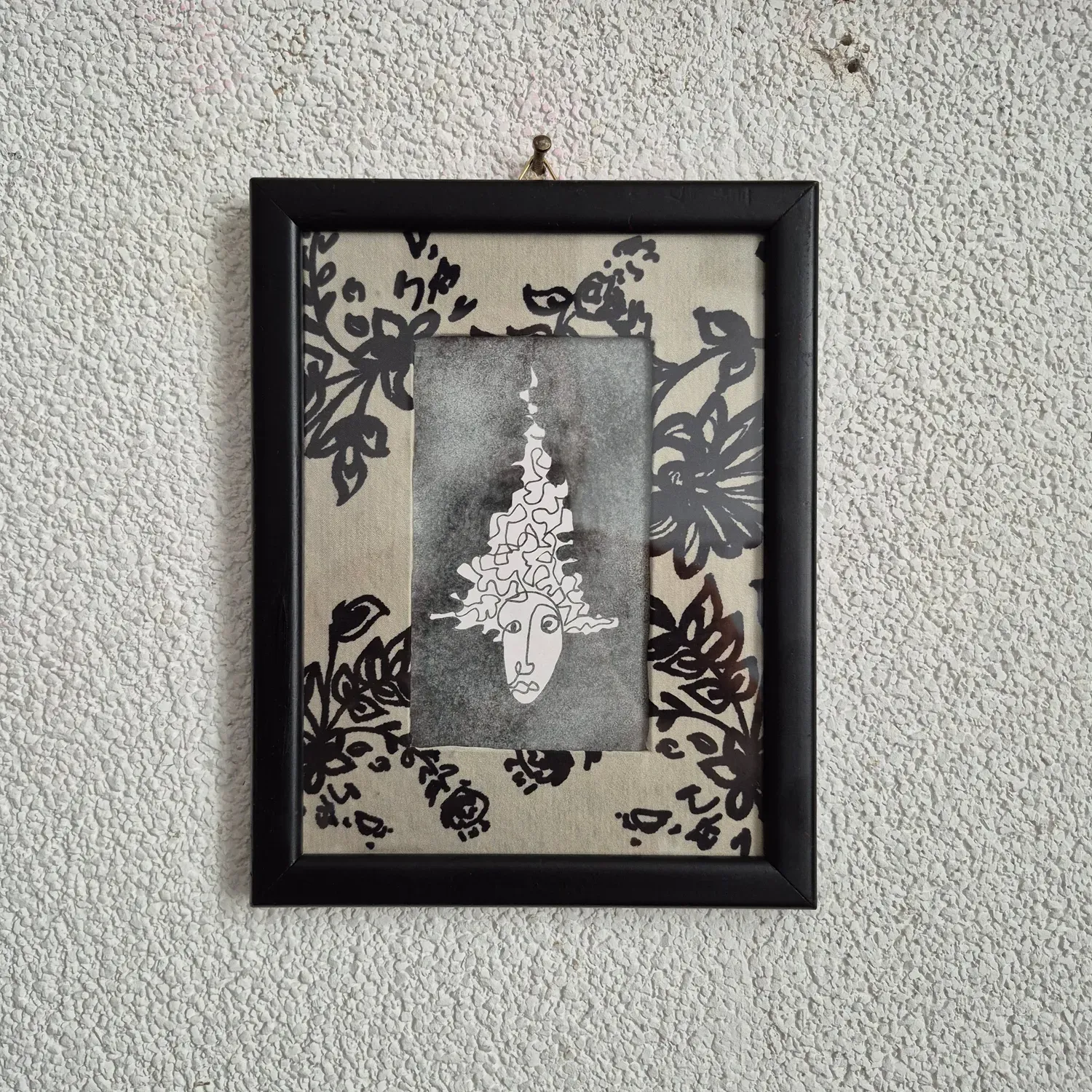
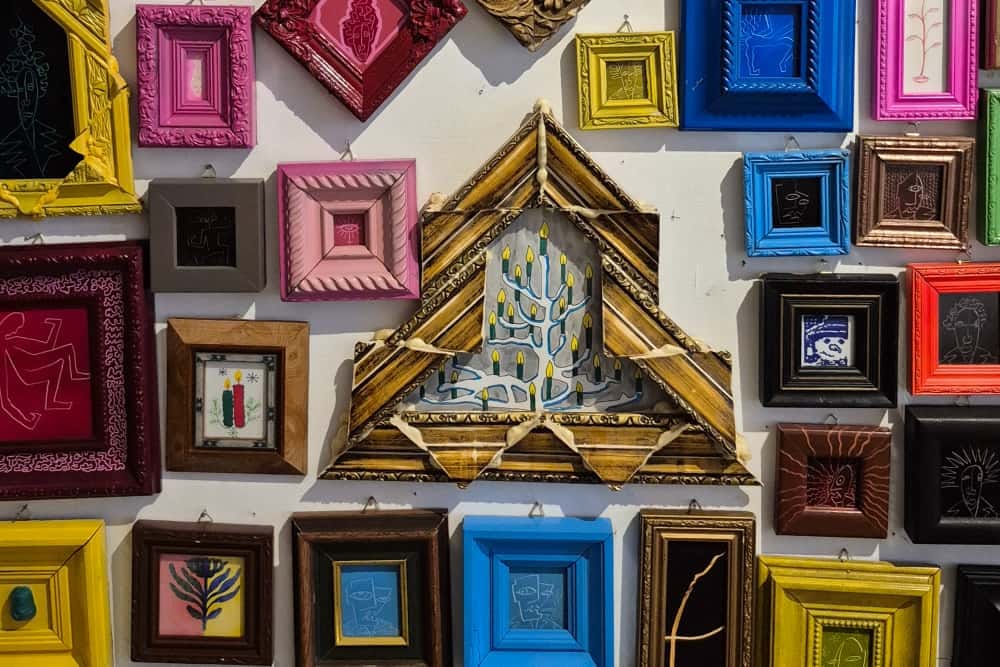
Do you see the frame as part of the artwork itself?
Yes, I see the frame as part of the work itself. Sometimes it protects the image, but sometimes it traps it. I’m interested in that tension. I often work with found or worn materials, so the frame already carries its own history before meeting the canvas. For me, it is not just a border — it creates a psychological distance and changes the way the image is perceived.
Could you tell us about your process and technique?
Most of the time, the material comes first. I collect objects, surfaces, posters, textures, broken fragments or things abandoned in the street without fully knowing why. Later, they begin to connect with each other. I don’t usually start with a fixed image in my mind. I prefer to negotiate with the material and let the process remain visible. Sometimes the traces, damages or memories carried by an object become more important than the object itself.
How do your cultural background, artistic context, and the natural landscape of where you come from shape your work?
Living in Istanbul has deeply shaped the way I see materials and space. The city constantly transforms itself while carrying different layers of memory at the same time. I’m influenced by old walls, temporary surfaces, construction sites, street posters and the visual chaos of urban life. My studio in Tokatlıyan Han is also part of this experience — it feels somewhere between a workspace, an archive and an installation. I think my works are built from these overlapping histories and fragile traces.
Discover his works