Three questions to Anna Varshavska

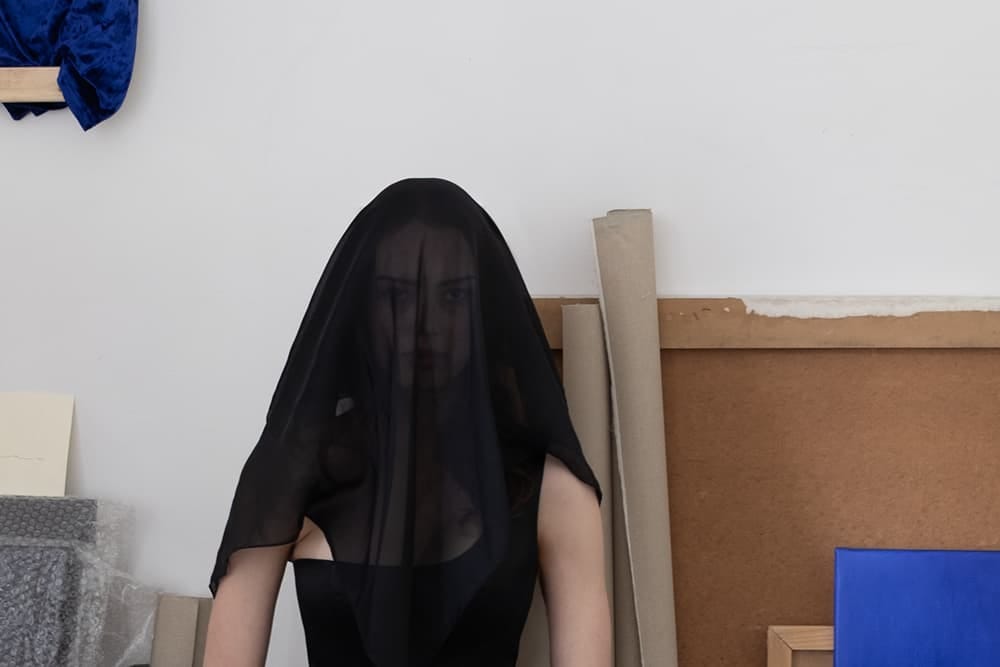
About Anna Varshavska
Anna Varshavska was born in Odesa in 1997 into a family of artists of Ukrainian and Greek descent, Anna lived there until the age of 19 before moving to Lviv. She obtained her Master’s degree in Monumental Painting from the Lviv National Academy of Arts.
Growing up between the cultural contexts of Southern and Western Ukraine, Anna developed a strong connection to her roots, which is reflected in her artistic practice.
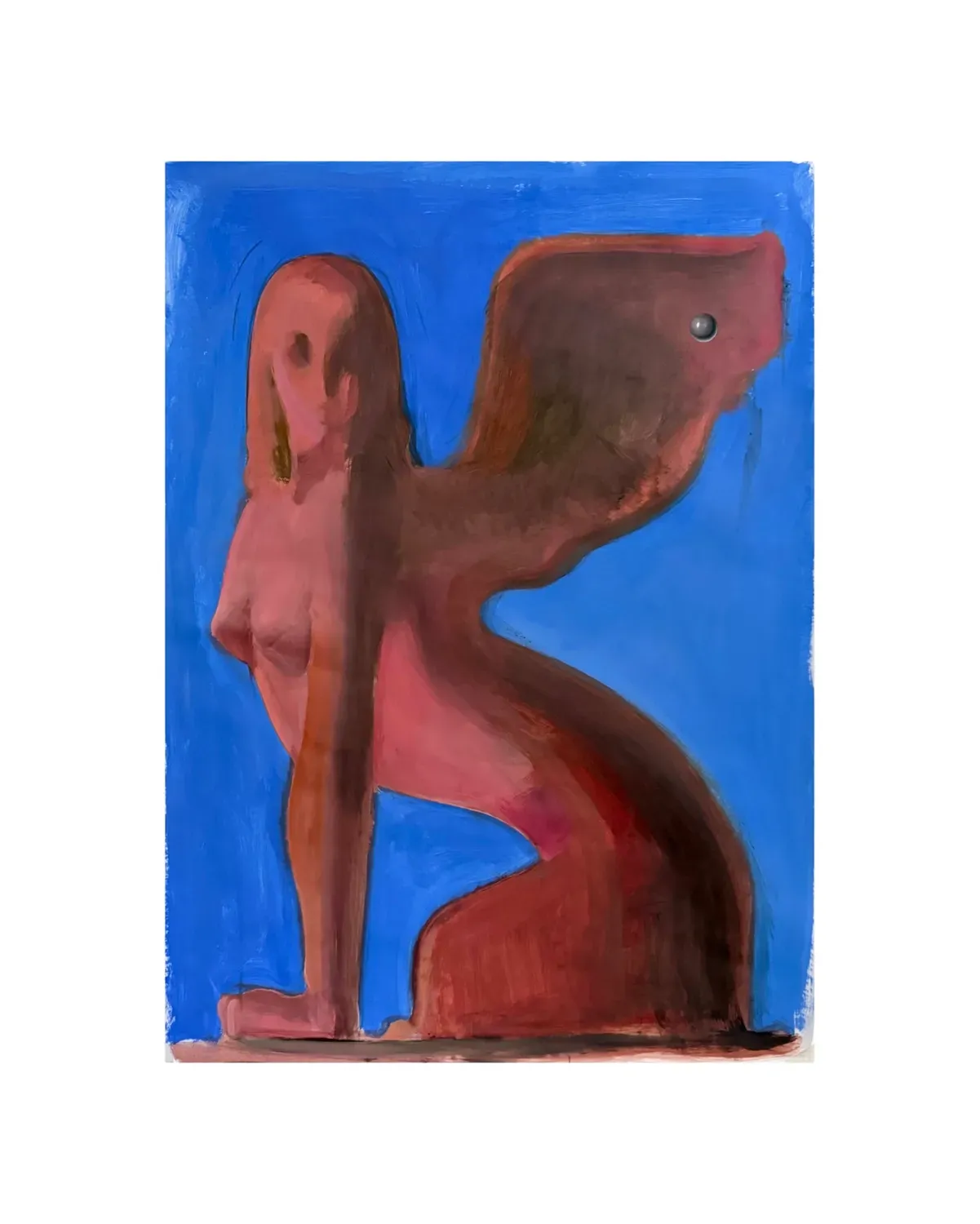
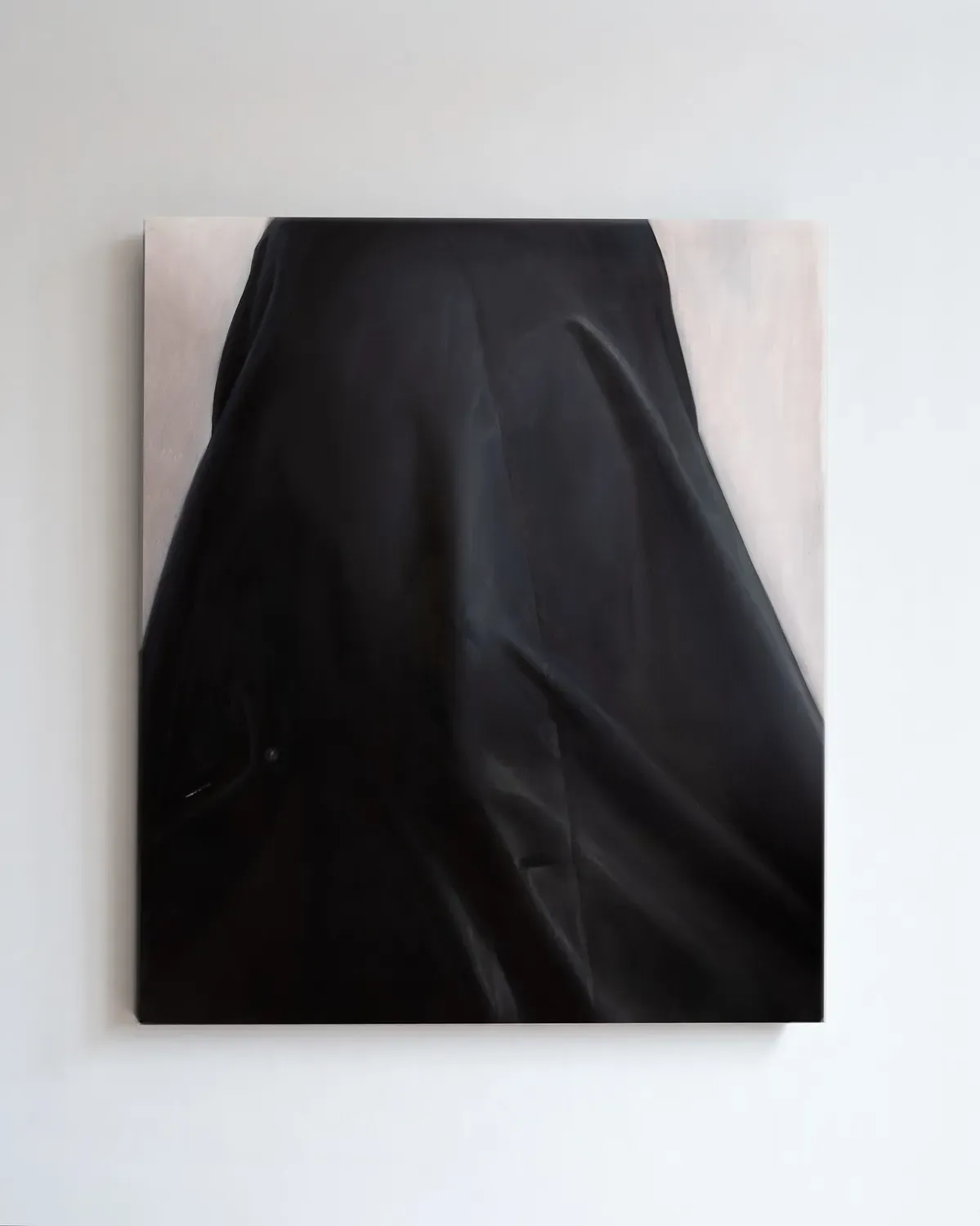
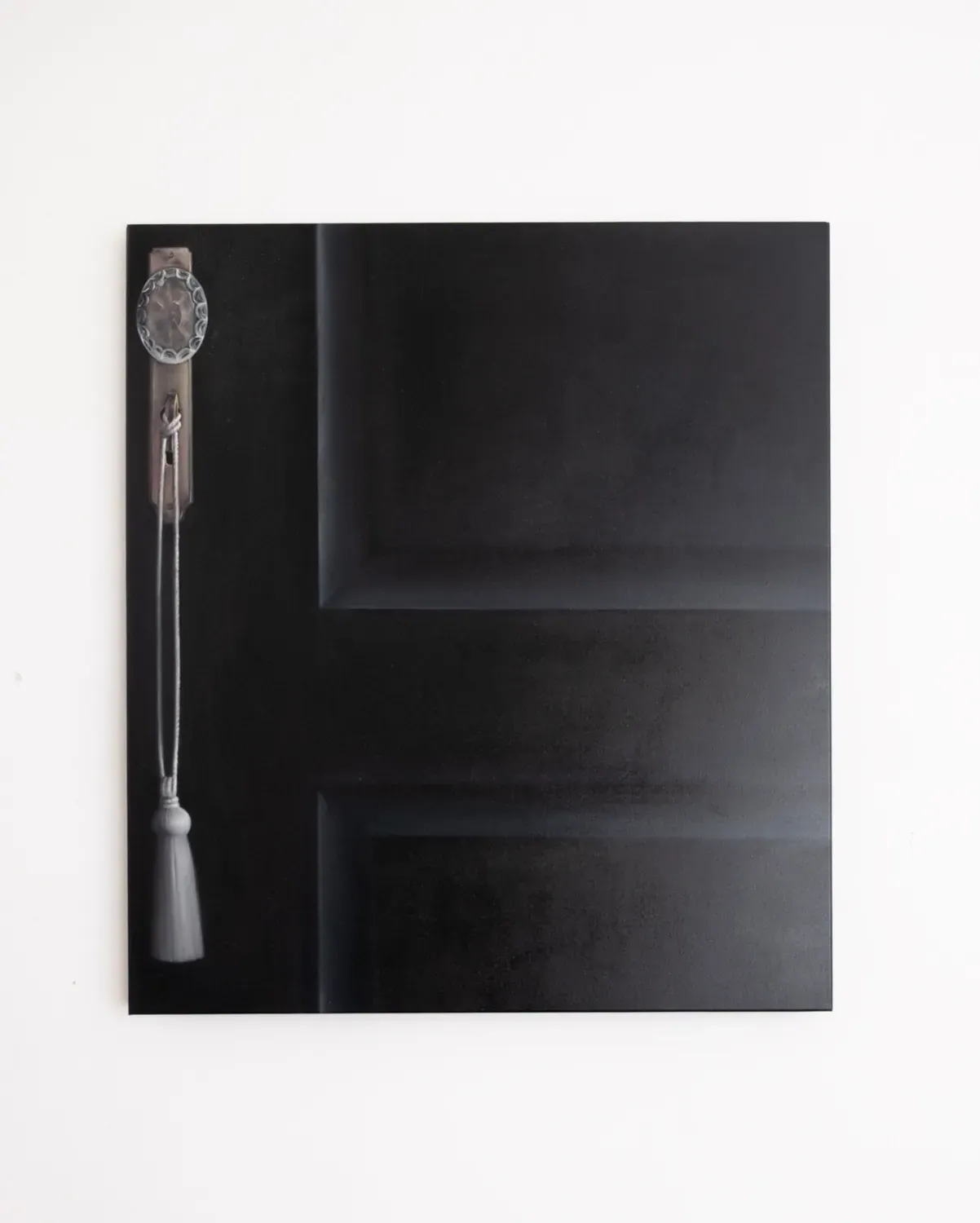
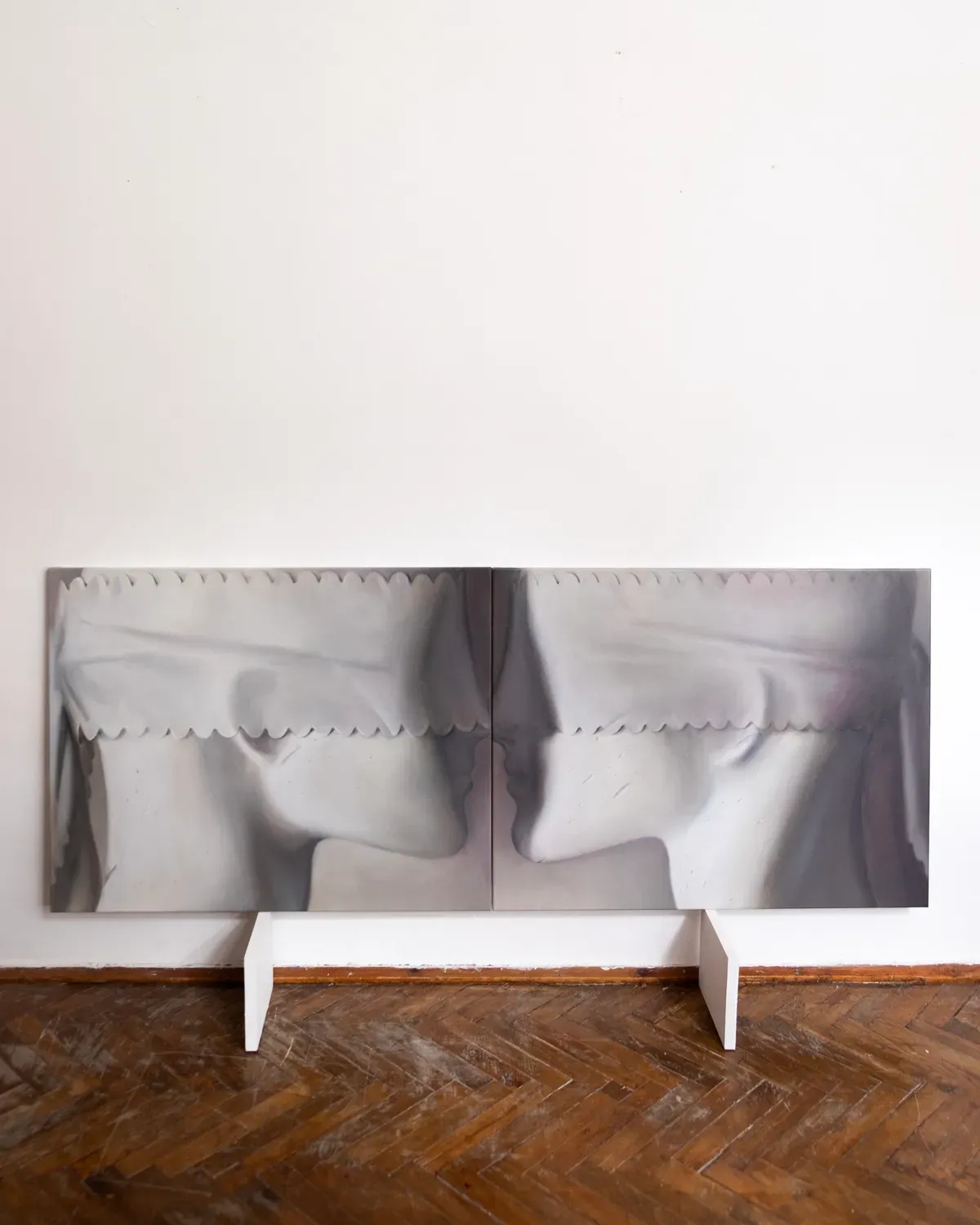
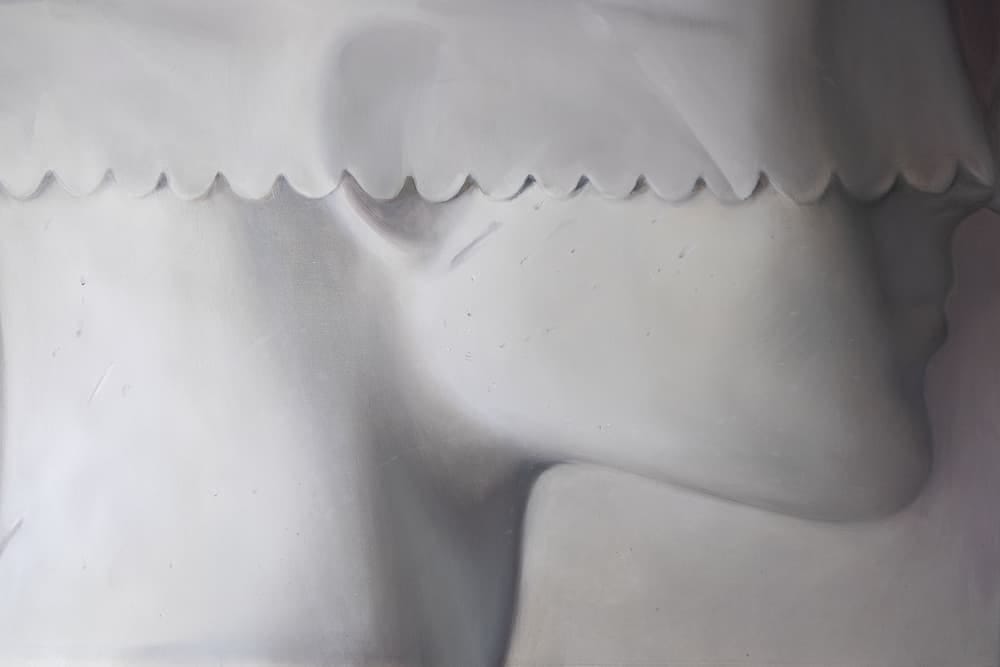
Her work is characterized by a minimalist, nuanced color palette, as well as laconic forms and silhouettes. She works across various media, including ballpoint pen, acrylic and oil painting, as well as sculpture and installation. A central focus of her practice is the human body as a carrier of memory — a space where personal and collective histories intersect.
Her works are held in private collections in Ukraine and across Europe.
What does your process look like when creating a new painting, sculpture, or installation? Is it an attempt to capture emotion — a kind of personal diary — or an escape into your own world?
I typically choose what to bring to life from the sketches, drafts, and notes I keep as ideas. It can be anything, but it is often an image that inspires deeper thoughts. Some projects are planned in great detail, while others come together spontaneously — assembled into a complete vision within just a few hours, followed immediately by execution. In many ways, it’s like a diary; it often reflects future events that surprisingly come true, or perhaps I find connections between them. I enjoy noticing a certain mystical quality in it, to be honest.
Does the contrast between your monochrome, mannequin-like canvases and your vivid, fast-paced works reflect the different facets of your personality?
It’s become difficult for me to open up in many ways. In short, it feels like a split between the adult and the child, between different parts of myself: the somber, quiet one and the life-affirming, vivid one. They take turns, and I still don’t really know which one is the real me. As for most people, I suppose, there’s a kind of protective layer — something hard, almost stone and metal, grey-white. It builds up inward, toward a living, childlike imagination filled with bright colors. What’s truly inside, I’m still exploring through art, I suppose. And sometimes I simply fall in love with something beautiful and feel the need to draw it.
Do you try to capture the present moment — contemporary reality — in your artworks?
There are already enough artists who do this beautifully. In a way, I’ve already done it myself in earlier ballpoint pen works, although I don’t like them now, they turned out to be quite prophetic. And is there any better medium for reflecting contemporary reality than documentary photography? For me, one topic I might want to highlight is women who have suffered violence because of war. I’m deeply sensitive to human suffering in general, and when it comes to depicting it — or even referencing it — there’s a kind of block for me in art. It’s a very fine line.
What are your favorite places in Odesa?
In Odesa, I love everything, because it’s the place where I feel a kind of calm that only home can give — the kind you remember from childhood. But of course, any place where you can see the endless sea horizon is the best. And the Kuyalnik Estuary, too. I have even more childhood memories from there, although back then I hated those trips because of the heat and the insects. My late grandfather Khrystofor would drive us there in his Zhiguli and I remember being smeared in that black healing mud. I miss grandpa very much.
Discover her works