Three questions to Anna Kryvych

About Anna Kryvych
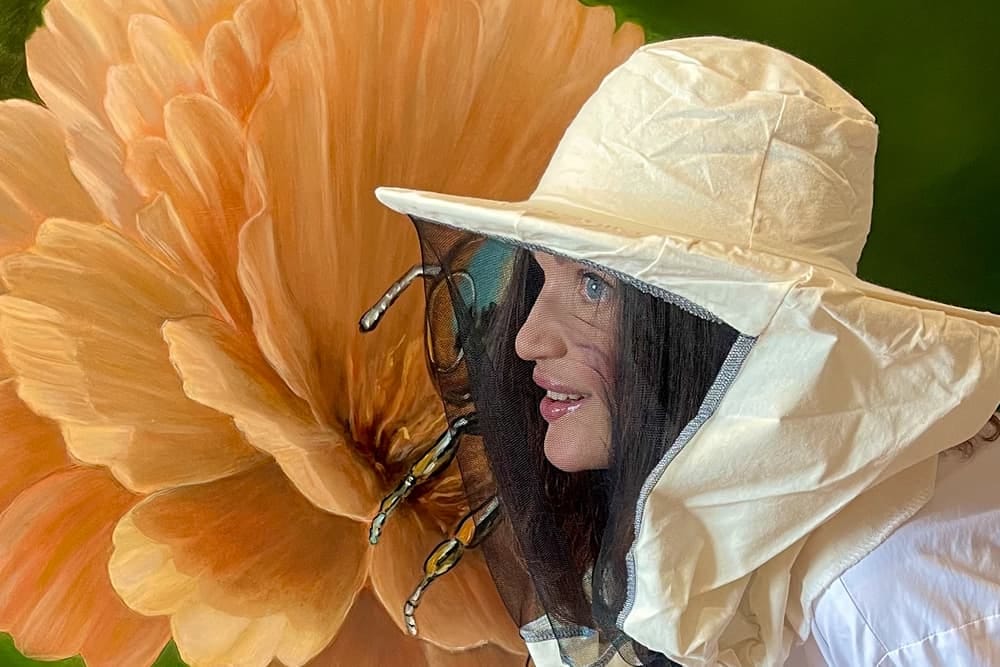
Anna Kryvych is a contemporary interdisciplinary artist from Kyiv. She studied at the Madrid School of Fine Arts and spent two years training in the studio of Ukrainian artist Leo Limanenko. Her practice explores the mechanisms of human interaction with the world, revealing deeper layers of reality, truth, and being. Through her work, she addresses themes of dehumanization, estrangement from nature, and immersion in artificial constructs that distort our connection to the essence of life. She lives and works in Kyiv.
Could you tell us how you came to art, and when you realised it would become your language?
I can’t say there was a single moment of “coming to art” — it has felt more like an ongoing process. My artistic language did not form around a particular style or method, but around a persistent inner question: what truly moves me, and how can it take shape in an image?
At the same time, art history is an important lens for me — a way of looking at the present. It helps me work with images of today’s world, understand where they come from, and how they transform.
Over time, I realised that art isn't a way of explaining something but a way of understanding. That was when it became my language — not as a tool of communication, but as a form of thinking and being.
You work across different media — painting, sculpture, installation. How do you sense which form best suits a particular idea?
For me, the medium is never the starting point — it appears as a response. Some ideas cannot exist as images; they require full physical presence, three-dimensional form, or even space itself as an environment.
I aim to respond to what the artwork demands. Occasionally, it calls for painting, focusing on the image and its inner tension. At other times, sculpture or installation is appropriate, especially when the work involves the body, materiality, or viewer interaction. I choose photography when capturing the immediacy of a moment is essential.
The process is intuitive yet precise: the form should expand the idea, not just represent it. After an idea takes shape, roughly 80% of the time is dedicated to deep reflection. This stage is fascinating because, outwardly, it might appear as if nothing is happening, while internally, you are working at maximum intensity.
What questions concern you most today as an artist, and serve as the starting point for new works?
What concerns me most at the moment is transformation — how a person changes under the influence of technology, environment, and experience, and where the boundary lies between the living and the constructed.
I am also interested in the state between control and vulnerability — when everything seems structured, yet something unstable and almost ungraspable is unfolding inside.
Many of my works begin with a certain impulse — a feeling of tension between grasping the ephemeral and giving form to something that does not yet have one. In the process, it materialises.
Are there any images, narratives, or mythological creatures that particularly fascinate you and resonate with your artistic language?
I feel a strong connection to mythology as a way of thinking—particularly the imagery that illustrates transitional states between the living and the non-living, the human and the non-human, and the natural and the artificial.
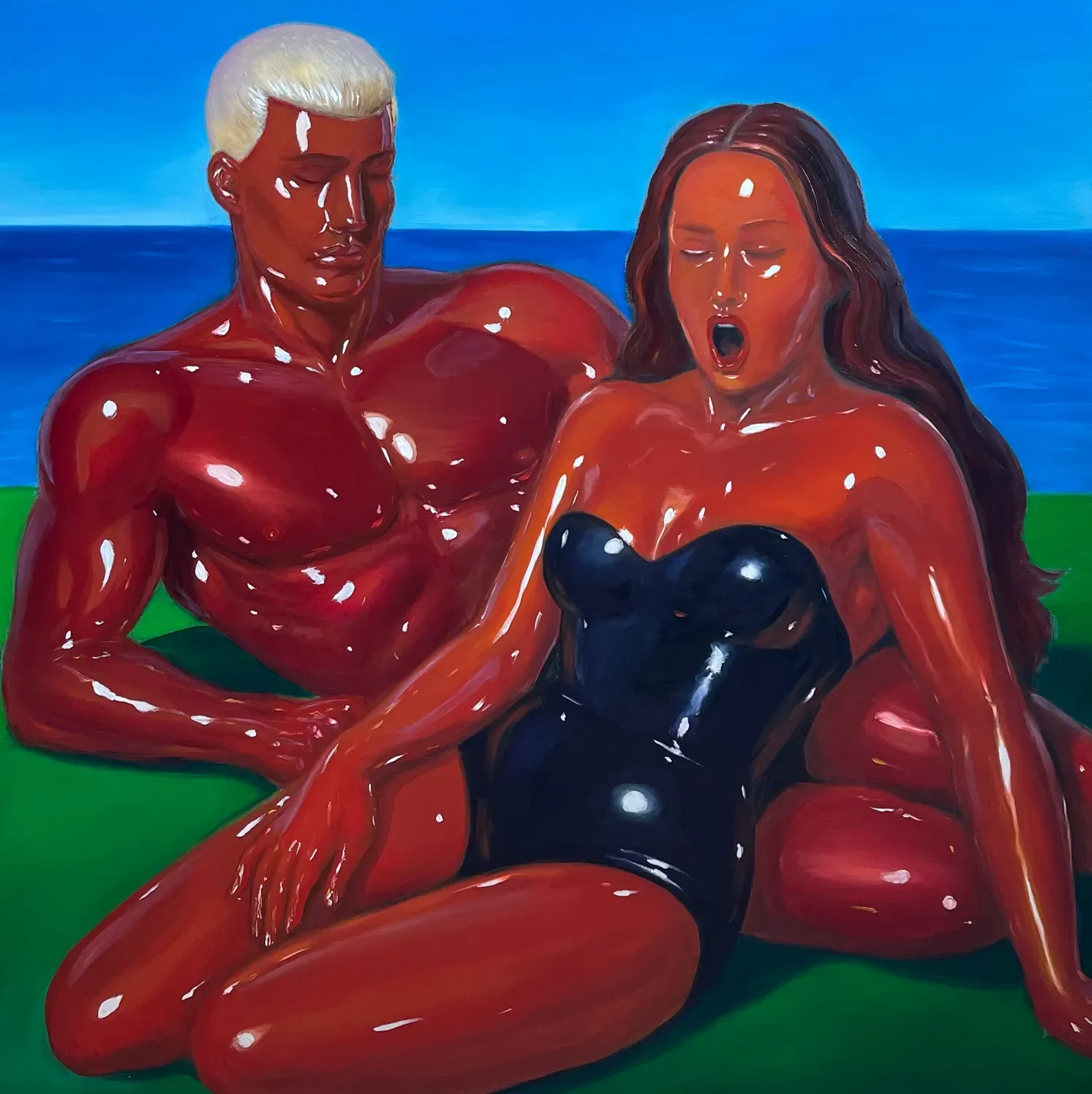
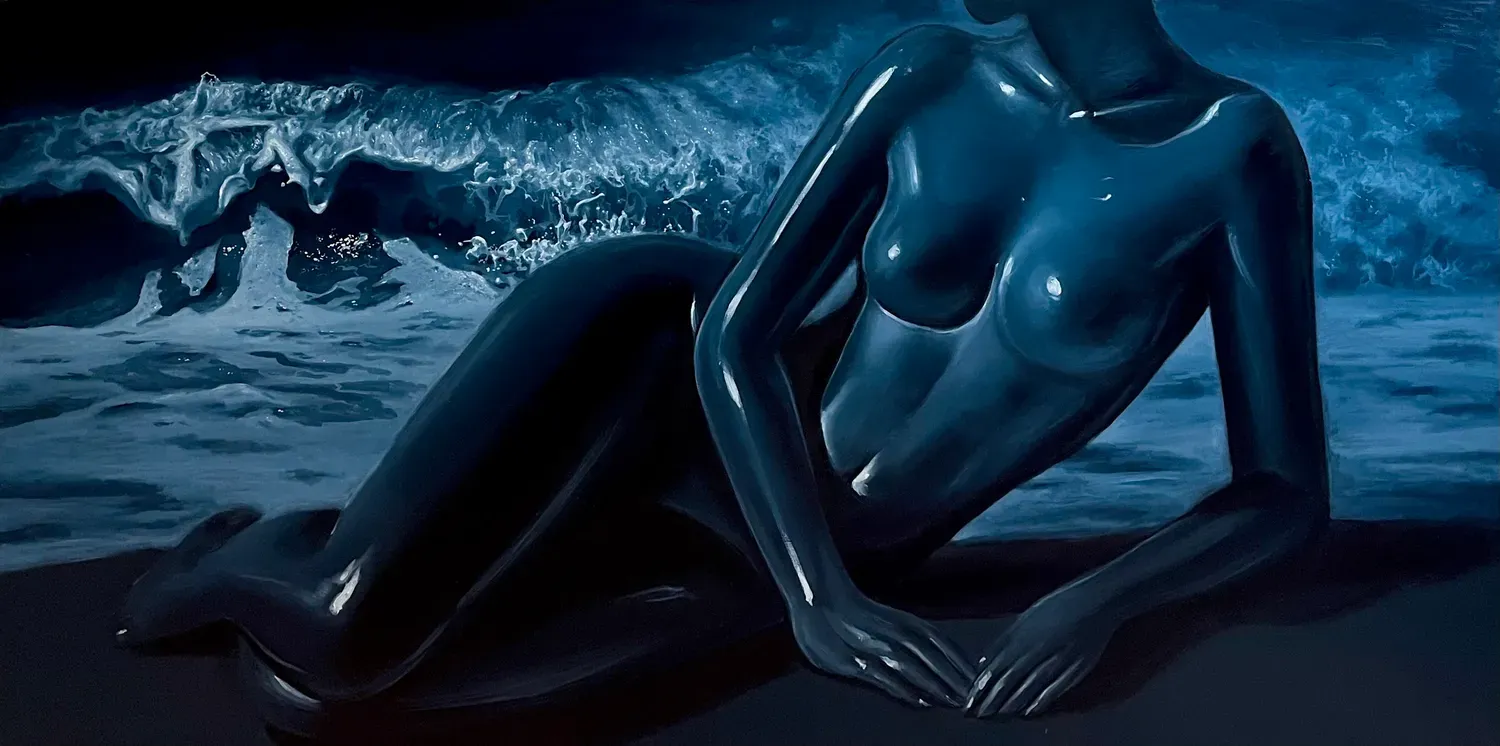
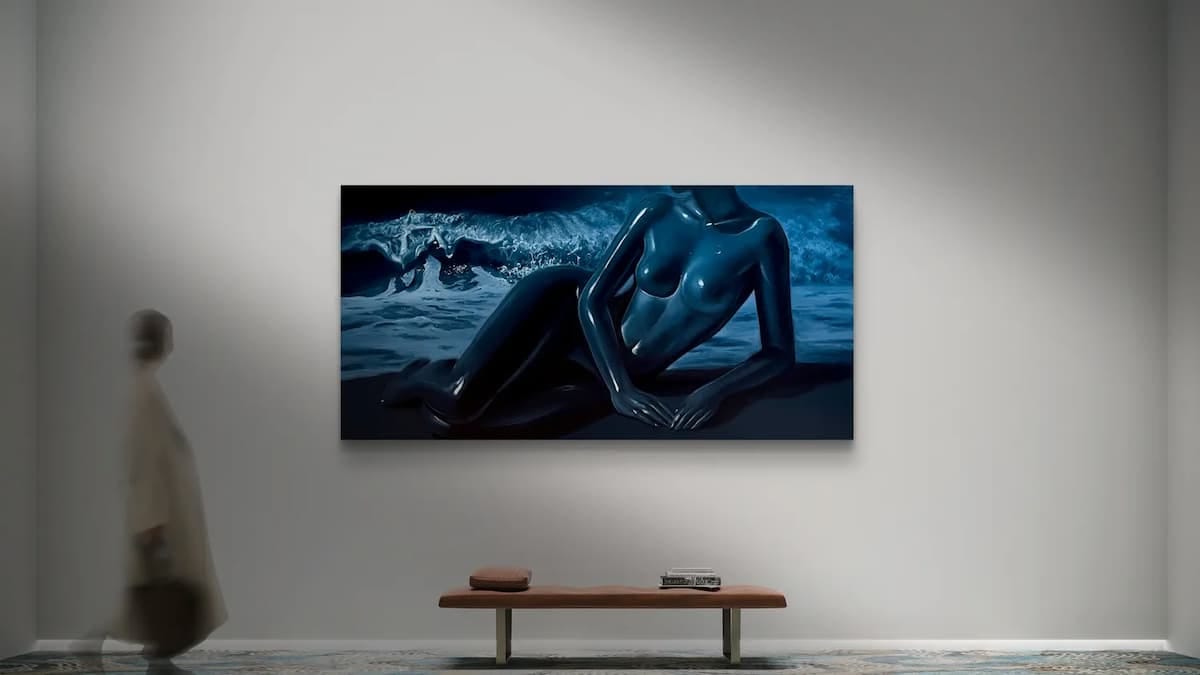
One important figure for me is Aurora. While working on the SX 03 Model Aurora, I returned to her myth, and what struck me was that her existence was reduced to a function — bringing the sun each morning. It is such a clear, almost programmed action, an algorithm. While working on Synthetic Sanctuary, I did not at all expect it to include human prototypes. But it was precisely after turning to the myth of the goddess Aurora that I understood: yes, humans had to be there.
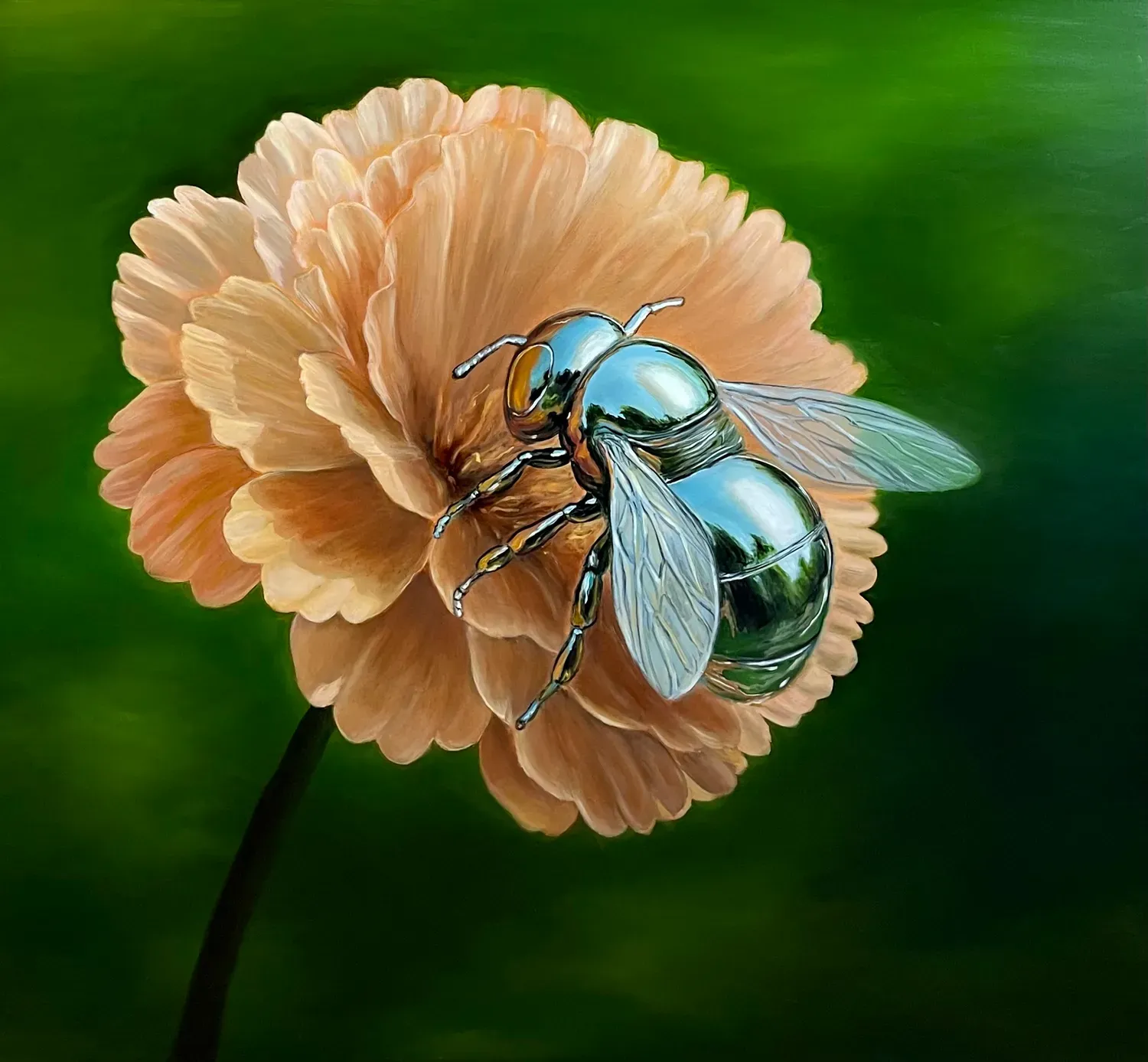
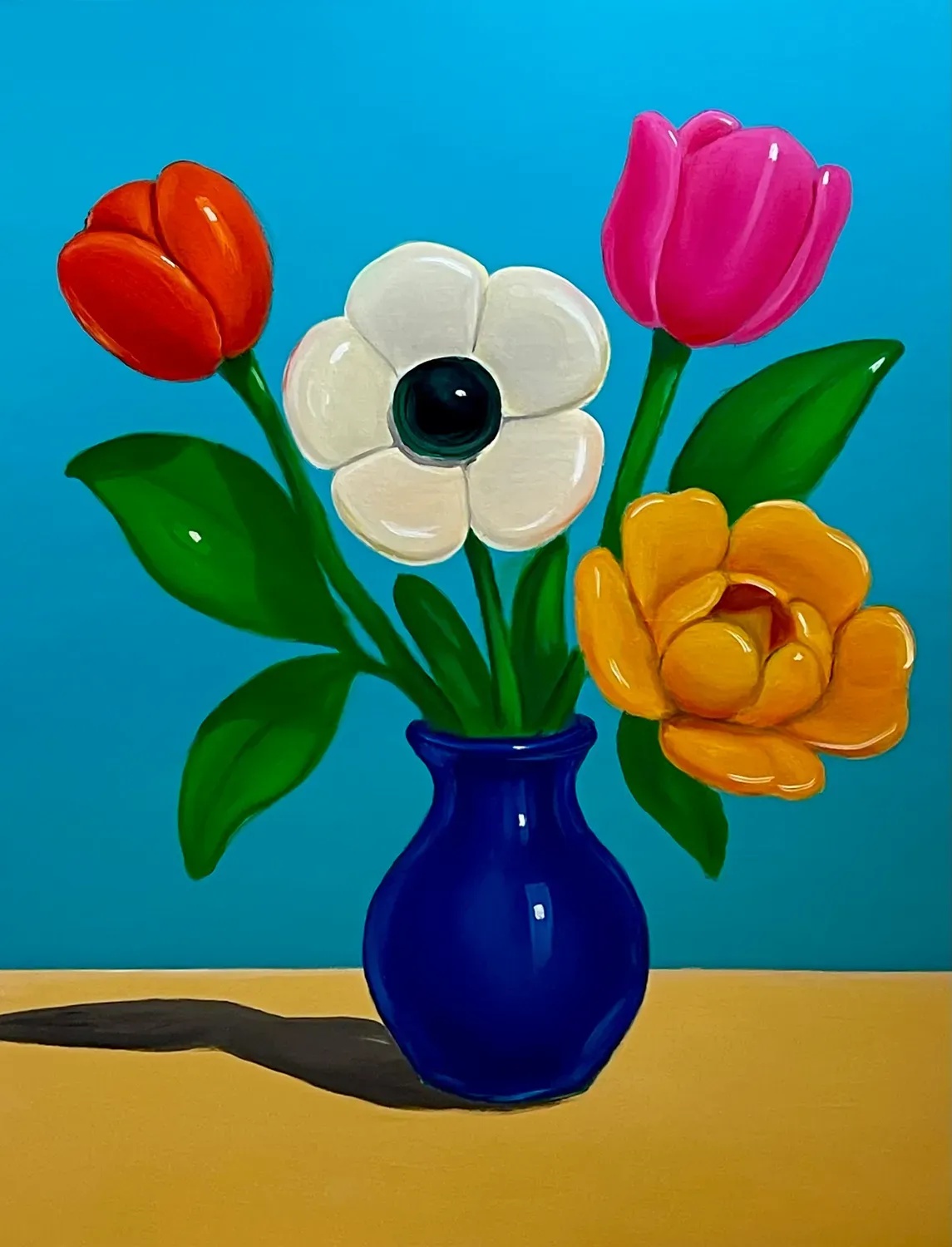
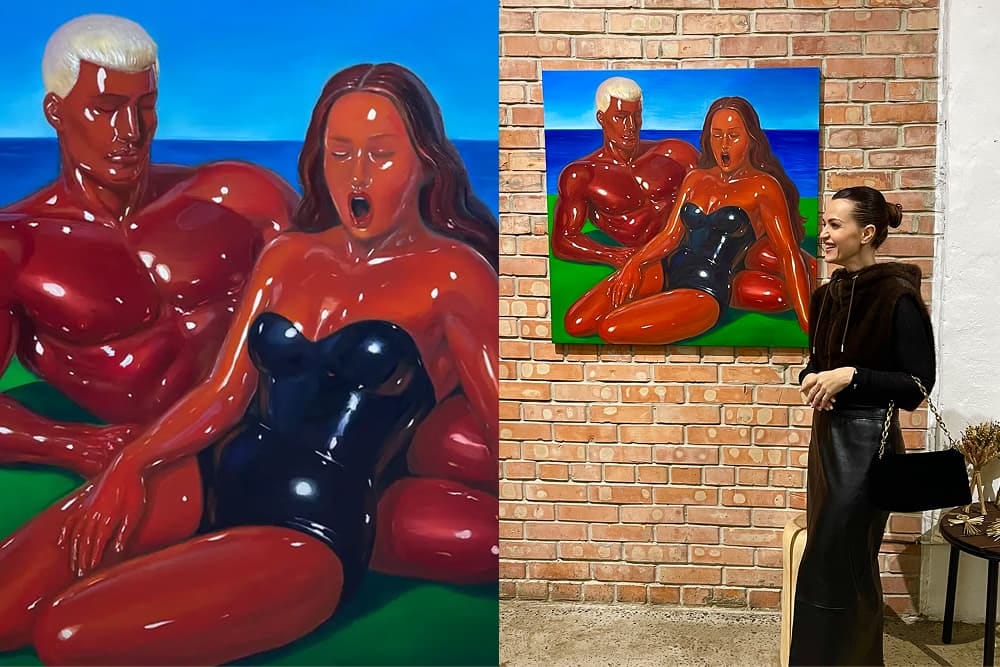
In my artistic language, there is often an artificial gloss, a visual sleekness that can be read as superficiality or decoration. But this effect is not accidental — I deliberately introduce it as a reference to the light present in the myth itself. Aurora is a goddess of light, and even her origin is tied to forces of light: her parents, the Titans, embodied light. So these glimmers on what appear to be artificial bodies in my works are not merely aesthetic. They create a tension between surface and light itself, and between the decorative and the fundamental.
I aim to demonstrate that even within the artificial and constructed, something primordial and nearly sacred can arise.
In this context, I engage with a form of “artificial mythology,” where new entities and roles emerge—similar to Aurora, but within a different, modern reality.
Discover her works