How Subjektiv Is Redefining the Traditional Artist-Platform Revenue Model

We are moving beyond the conventional marketplace model to build infrastructure for the art market. Our primary goal is to give artists the tools they need to sell their work anywhere - easily, securely, and transparently.
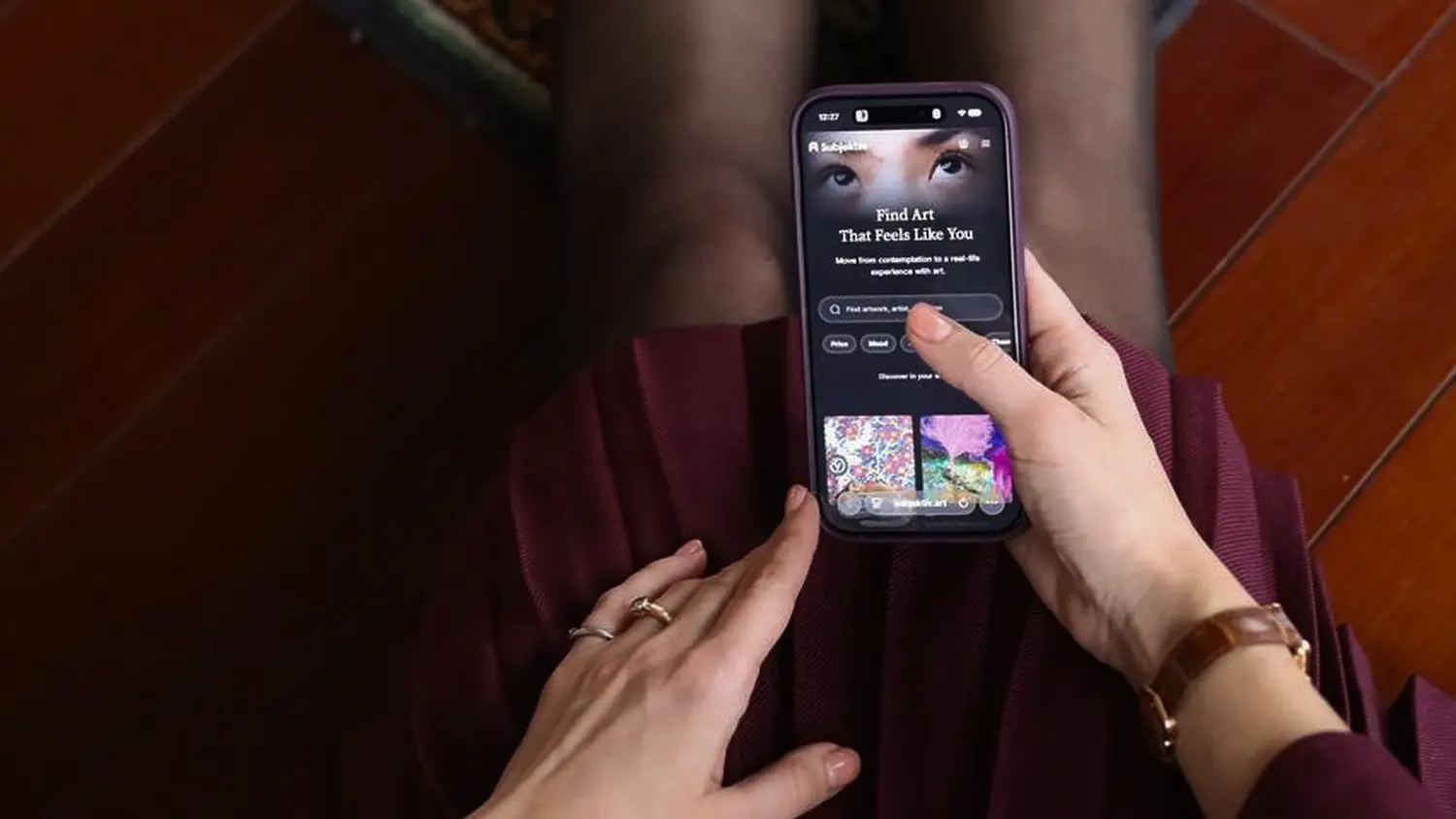
To make this possible, we have launched Direct Sale. Artists can generate a direct link or QR code in the app, with sales made through it subject to a commission of just 7%. We facilitate secure payments from anywhere in the world, hold the funds until the buyer receives the artwork, and arrange door-to-door delivery.
Infrastructure That Puts Artists Back in Control
The service includes a digital passport for every artwork, as well as the ability to track it over time. This will allow artists to receive royalties even when their work is resold.
This approach opens up new sales channels: Instagram, the artist's own studio, exhibitions, or simply a QR code. All artworks are kept in a single profile, while artists decide whether to sell through the marketplace or directly. In essence, it gives artists their own website, complete with sales and delivery functionality.
This model reshapes the traditional distribution of revenue and addresses issues that conventional systems often overlook: payments, shipping, digital artwork identification, and fair resale royalties.
How Digital Passports Bring Transparency to the Informal Art Market
Digital passports for artworks are similar to land registries for real estate. There was a time when properties existed without a unified registration system, and ownership depended entirely on who held the paperwork. If those documents were lost, it became almost impossible to establish who owned the property or what it was worth.
The art market has faced the same problem for decades. Artworks are bought and sold without official records or reliable proof of authorship, provenance, or value. When an artist becomes well known, collectors may struggle to prove ownership or establish the artwork's original purchase price. This makes any subsequent transaction difficult, even though the artwork is, in practical terms, an asset.
A Verified History for Every Artwork
We want to move art away from opaque transactions, money laundering, and tax fraud. Without a transparent market and reliable digital documentation, artworks remain a convenient vehicle for illicit and unregulated transactions.
Digitisation can help create a different culture - one in which every artwork has verified provenance, a documented price, and a traceable history. This creates a market where art is no longer treated merely as an object of speculation and is recognised for what it truly is: something of value created by an artist.
Art for Everyone - or Only for a Select Few?
When the art world operates through a highly regulated yet closed system, dominated by galleries and lacking a transparent market, it creates room for manipulation. Narratives are often constructed that are difficult to verify.
It is an elitist structure built not on sacred mysteries, but on financial secrecy. Digitisation makes greater transparency possible and opens the market to broader participation. Artists from less prominent regions are often excluded from the traditional art market, but digital tools can make it far more accessible to them.
A Global Platform Without Borders
One of the greatest strengths of platforms like Subjektiv is their ability to help people discover artists from anywhere in the world. Someone in Toronto can find an artist from Odesa or Dnipro. Recently, for example, a buyer in Colorado purchased a work by a Polish artist.
This openness breaks down barriers, expands the range of art available to collectors, and gives local artists the opportunity to gain visibility on a global scale.
Bridging the Physical and Digital Worlds
The traditional art market has an important role to play, and we are not trying to replace it. Our goal is to become the infrastructure layer that supports and enhances its existing processes.
Exhibitions will remain an essential part of the art world, but they can now incorporate QR codes that allow visitors to explore how an artwork was created, learn more about the artist, and even purchase the piece. The physical and digital worlds should coexist.
We are also working on launching our own magazine. We do not want to disrupt what already works. We simply want to add a digital layer that removes barriers and creates more opportunities for everyone.