Three questions to Karine Bartoli

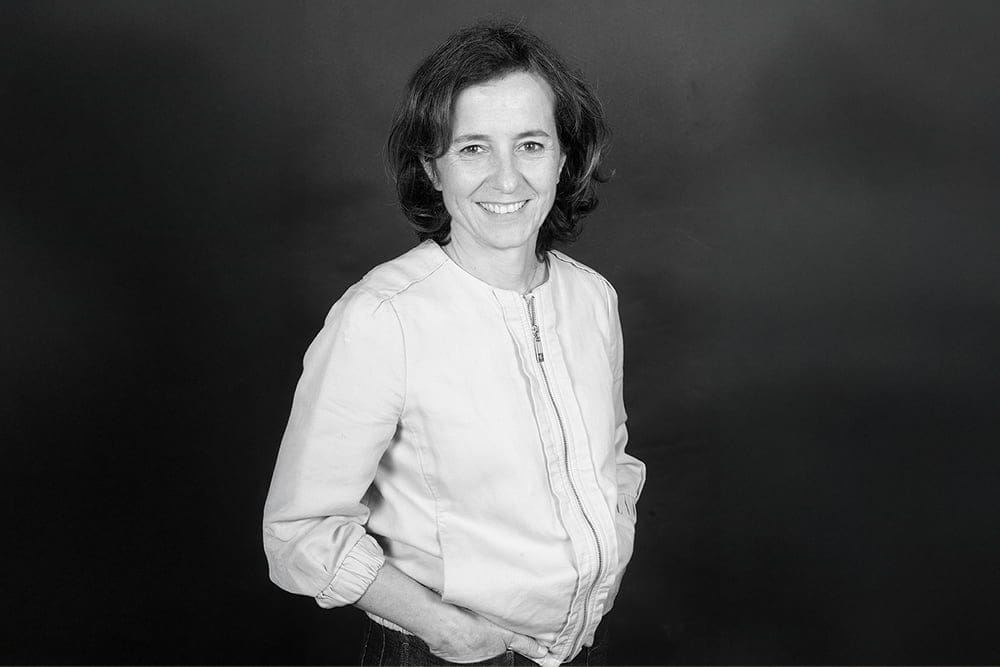
About Karine Bartoli
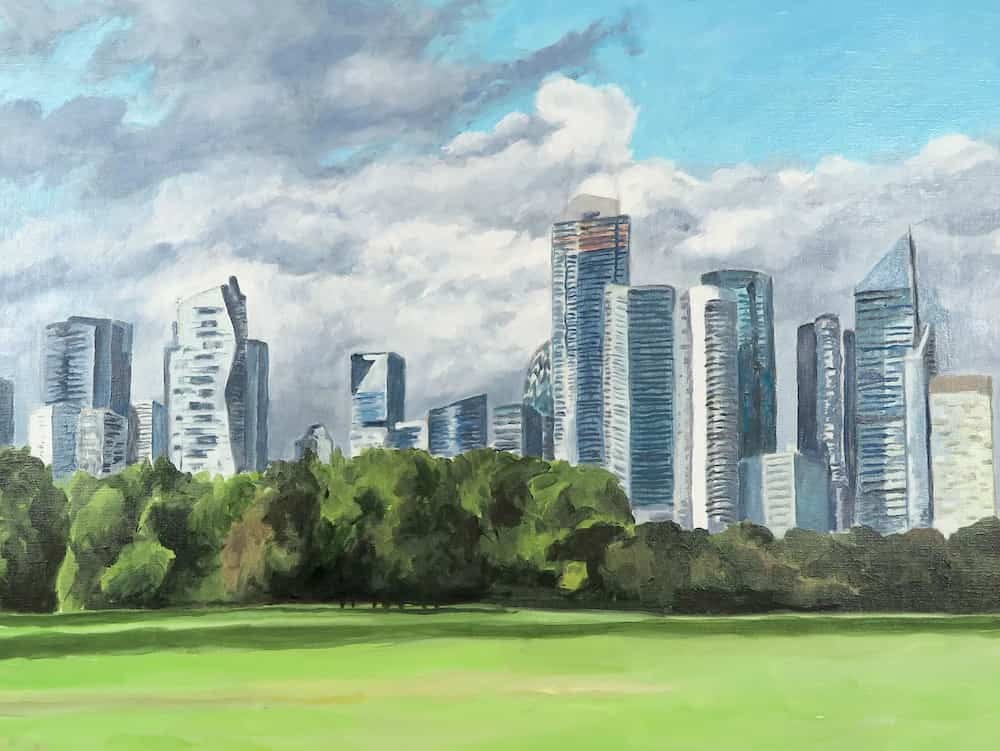
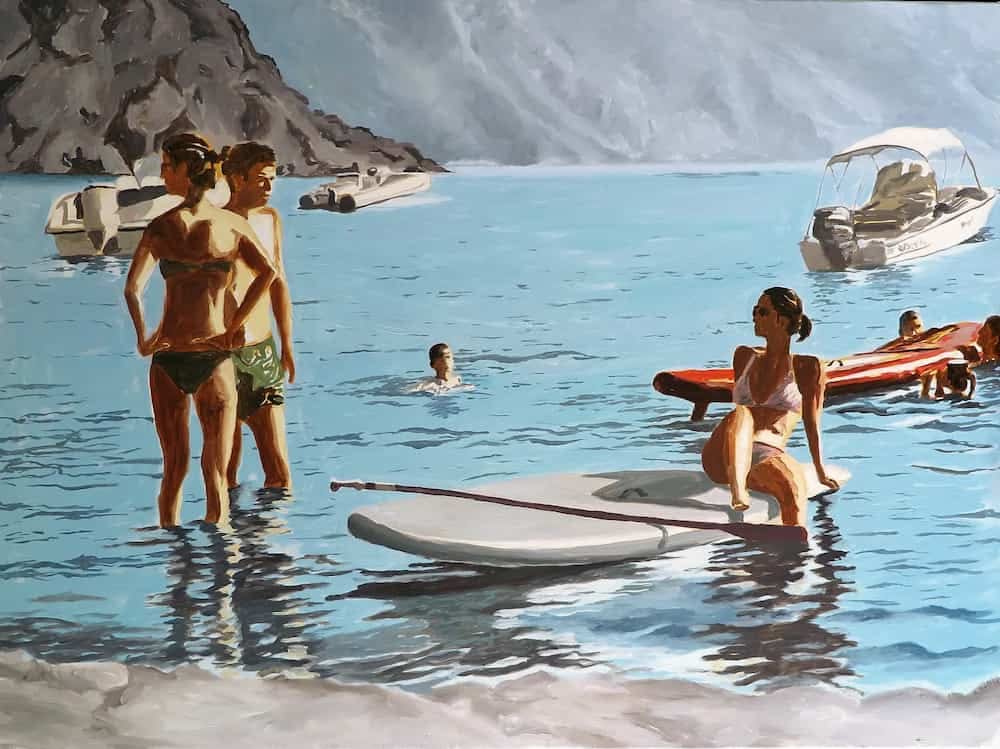
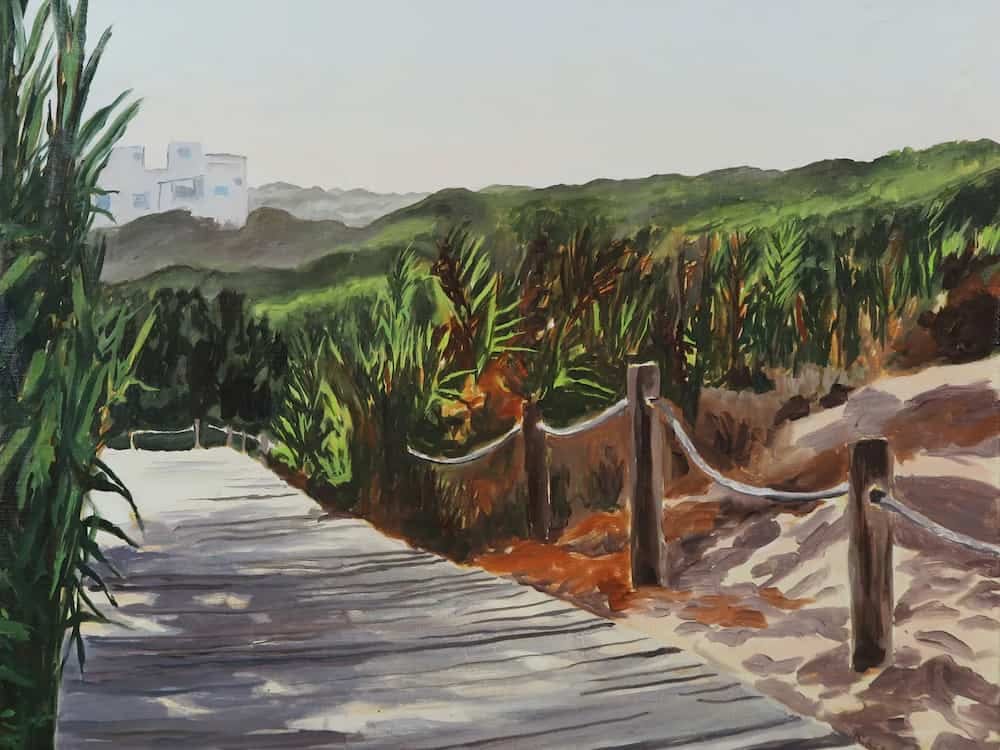
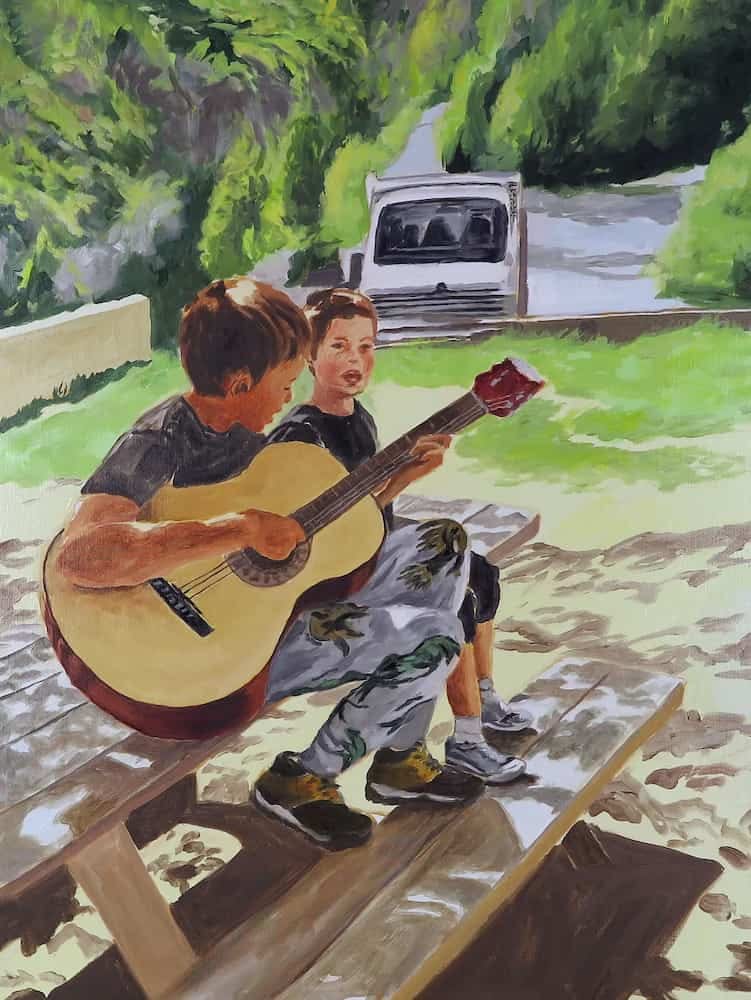
Karine Bartoli draws her subjects from photographs taken during her own shoots, capturing interactions between figures in sunlit settings. She reinterprets these images in oil on canvas, cropping and refining them through a personal sense of color and composition. Her brushwork reflects both what she sees and what she feels, translating light and movement with immediacy.
Influenced by Fairfield Porter and the expressive freedom of German Neo-Expressionist painters of the 1980s, her work balances observation and subjectivity. Painting remains central to her practice, asserting her personal vision rather than disappearing behind the image.
Your paintings give off a sense of warmth and serenity. Does this come more from your own memories and experiences, or is it something you consciously try to create?
It’s not something I consciously try to create. What comes through in my paintings likely stems from my personal connection to the subject I’m depicting, and from my own subjectivity. Painting as a medium allows me not only to tell the story of what is represented, but also to reveal something about who I am to the viewer. When you paint with complete honesty, a part of your inner self inevitably finds its way onto the canvas.
In my approach, I work from images that have this “reality captured through a lens” quality. The frozen, slightly mysterious nature of photography becomes a springboard for painting. I like to evoke moments I remember, but also to appropriate unknown moments that remind me of familiar atmospheres (when I work from press photos or similar sources). My work is a kind of testimony to reality — a way of saying: I live, I feel, I leave a trace.
When a moment moves from a photograph to the canvas, how does it transform? What do you allow to change, and what do you try to preserve?
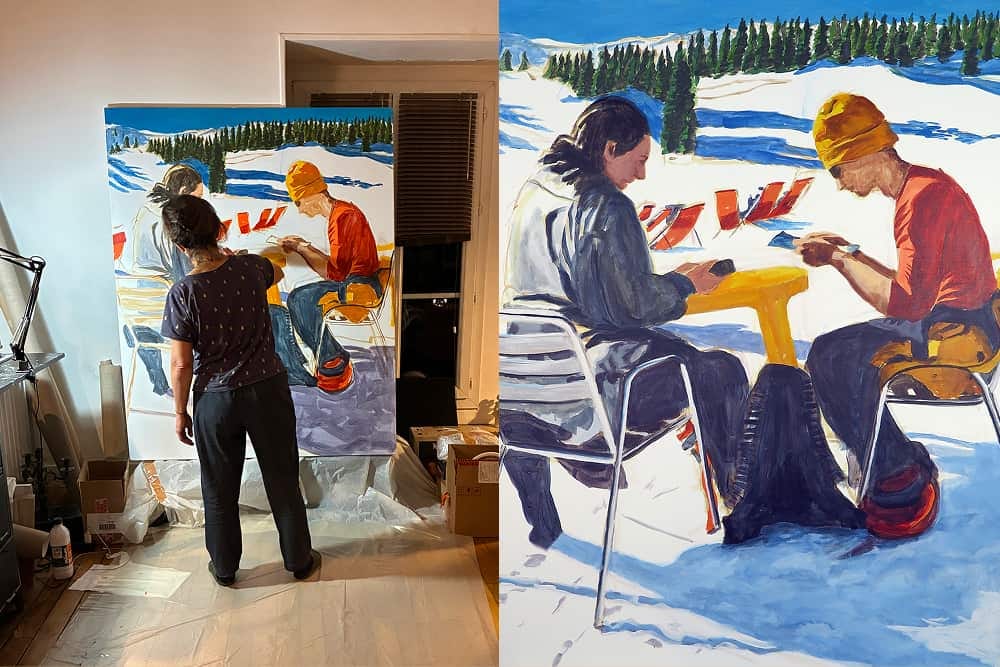
At first, I ask myself how to translate the small format of a photograph (often viewed on a phone or tablet screen) into the physical space of a canvas. I crop the image and sometimes modify certain elements using image-editing software to compose the painting. Then I begin working directly on the canvas with paint, taking a broad, overall approach to both drawing and color. I consciously try to convey the reality of what I see for the viewer.
As the work progresses, I welcome the unexpected: if interesting elements emerge and catch my attention, I keep them. My temperament also comes into play — I tend to be impatient and eager to see results, so I embrace that urgency in my brushwork. It’s this honesty with myself and this freedom of expression that bring the work to life. Without those irregularities shaped by one’s character and lived experience, the work becomes merely technical — crafted to fit a socially coded aesthetic, revealing nothing personal, and ultimately becoming dull.
Have foreign viewers or collectors ever interpreted your work in a way that revealed new meanings to you? How do these reactions differ from those you hear at home?
The nature of my work is straightforward and direct: my paintings present themselves as they are, without hidden meanings. I mainly explore group dynamics in action within defined spaces, focusing on body language and the treatment of light. If a sense of serenity or joy emerges from my work, it does so spontaneously and entirely independent of my intention.
Discover her works